


When it comes to choosing between solar power and traditional energy, understanding their differences helps determine what suits your needs. We’ll break down the most important aspects of both, from cost savings to environmental impact, so you can make an informed decision.
At Dallas Solar Pro, we’re here to help you transition to clean, cost-effective solar energy. Contact us today to learn how solar power can benefit your home and reduce your energy bills.
One of the most notable advantages of solar energy is its minimal environmental footprint. Solar power generates electricity through the sun’s energy, a renewable source.
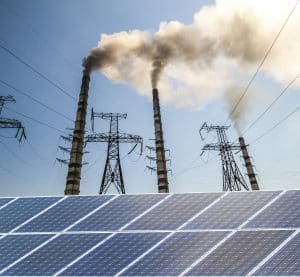
As it produces zero emissions, using solar energy contributes to reducing greenhouse gases and pollution. This makes it an eco-friendly choice that supports sustainability efforts.
On the other hand, traditional energy sources, such as coal, natural gas, and oil, rely on fossil fuels. Burning these fuels releases significant amounts of carbon dioxide and other harmful gases into the atmosphere, leading to environmental degradation.
Fossil fuel energy production contributes heavily to air pollution and climate change. For those who prioritize reducing their carbon footprint and promoting cleaner energy, solar power offers a more sustainable option.
When choosing between solar energy and traditional electricity sources, understanding the financial aspect is key. While solar power may involve a higher initial investment, the long-term savings often make it the more economical option. Let’s break down the cost differences between solar energy and conventional power.
When comparing the reliability of solar power versus traditional energy, it’s important to consider how advancements in technology have impacted each option.
 Solar Energy Reliability
Solar power provides flexibility in terms of scalability. Homeowners and businesses can install systems that suit their energy needs and expand them over time.
For example, a small system can be expanded as energy needs grow, making it an adaptable choice for those who want to start with a basic setup.
Traditional energy, on the other hand, doesn’t offer the same level of customization. You’re tied to the grid and must pay for whatever amount of energy you use.
There’s no opportunity to adjust your setup based on your changing needs, making traditional energy less adaptable for long-term growth.
For those seeking an energy solution that can grow with them, solar provides a clear advantage.
As the world shifts toward cleaner energy, solar power is becoming a major part of future solutions. Governments are heavily backing renewable energy to cut carbon emissions and fight climate change. At the same time, solar technology continues to improve, making systems more efficient and affordable. What used to be a high-cost investment is now accessible to many homeowners and businesses.
 By switching to solar now, you’re preparing for a future where renewable energy will likely dominate. Solar not only benefits the environment but also offers long-term financial savings as energy costs increase. Those who adopt solar early stand to gain the most, with lower utility bills, energy independence, and the possibility of selling extra power back to the grid.
Choosing between solar power and traditional energy comes down to your priorities. If you’re seeking a long-term, eco-friendly solution with the potential for significant savings, solar power is a smart investment.
While traditional energy might seem more convenient initially, the ongoing costs and environmental drawbacks make it less appealing in the long run.
Ready to explore how solar can benefit your home or business? Contact Dallas Solar Pro today for a personalized consultation and take the first step towards a sustainable energy future.
 By Dallas Solar Pro
  Aug 10, 2024